

The Evolution of Prosthetic Technology
Over the past decade, prosthetic technology has advanced at an unprecedented rate. From simple mechanical devices to sophisticated bionic limbs with neural interfaces, the evolution has been remarkable.
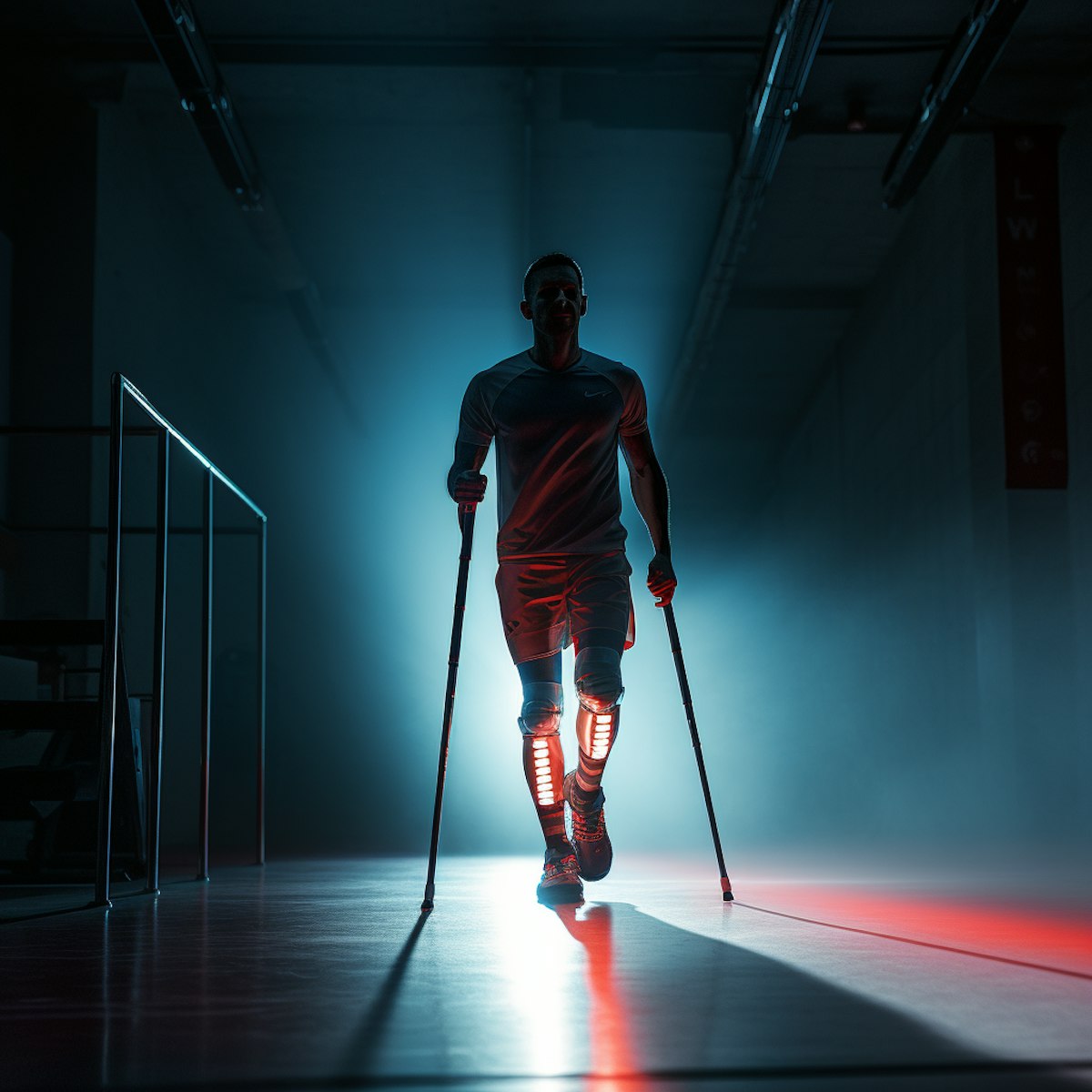
Microprocessor Technology
One of the most significant advancements has been in microprocessor-controlled prosthetics. These devices utilize sensors and sophisticated algorithms to adapt to the user's movement patterns, providing more natural motion and improved stability.
Materials Science Innovations
Alongside electronic improvements, materials science has contributed to lighter, stronger, and more comfortable prosthetic components. Carbon fiber, titanium alloys, and advanced polymers have replaced heavier materials, reducing user fatigue and increasing durability.
Direct Neural Integration
Perhaps the most exciting frontier in prosthetic technology is direct neural integration. By connecting prosthetic devices directly to the nervous system, users can control their prosthetics with their thoughts and even receive sensory feedback, creating a more natural and intuitive experience.
Future Directions
Looking ahead, research continues in several promising areas:
- Improved battery technology for longer use between charges
- Enhanced sensory feedback systems
- Artificial intelligence for more adaptive responses
- Fully integrated osseointegration for direct skeletal attachment
- Regenerative medicine approaches to improve the interface between prosthetics and biological tissues
With these ongoing advancements, the future of prosthetic technology looks increasingly bright, offering users ever-greater functionality, comfort, and quality of life.

Dr. Sarah Chen
Prosthetics Specialist at Aero Prosthetics